About
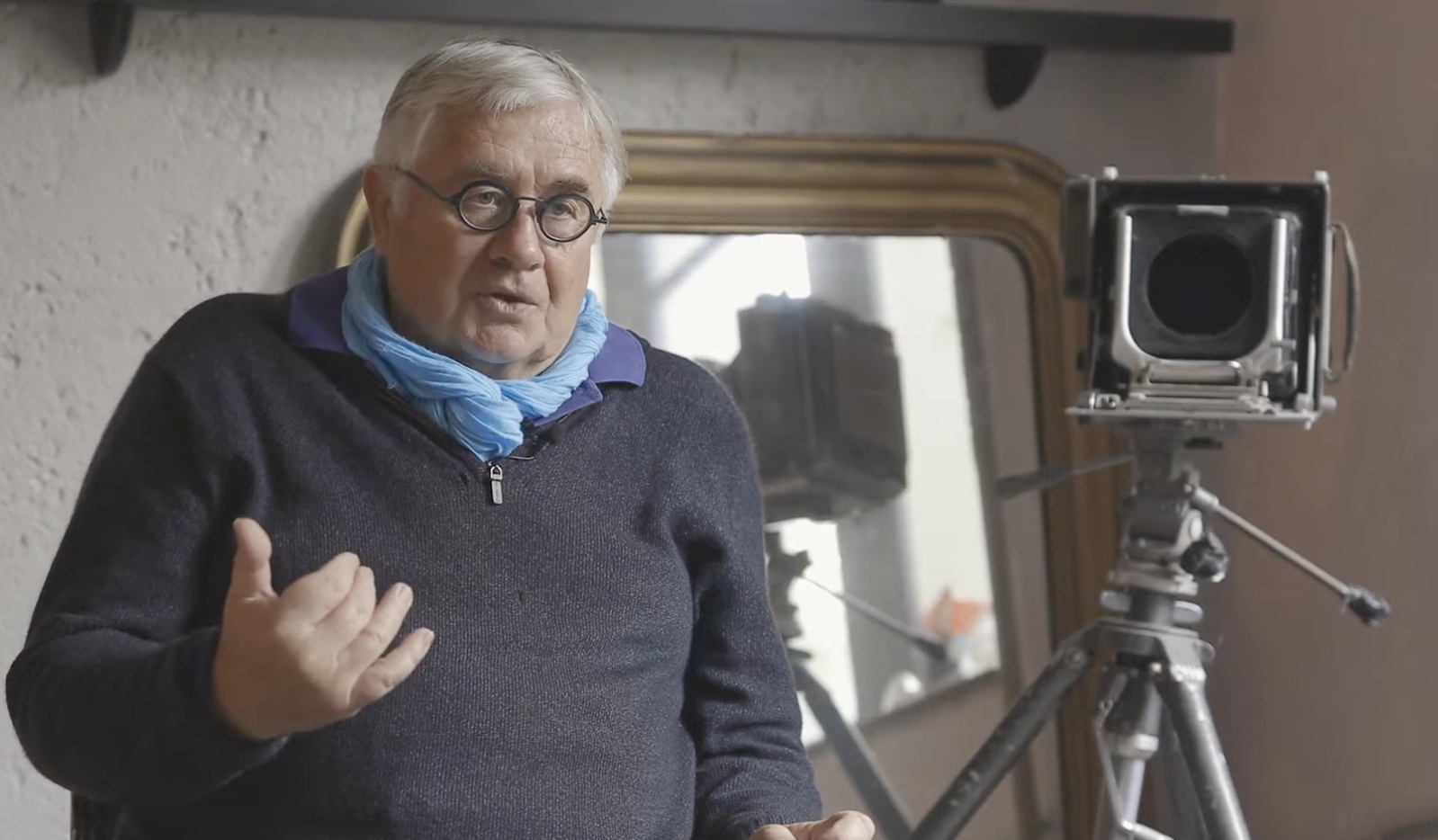
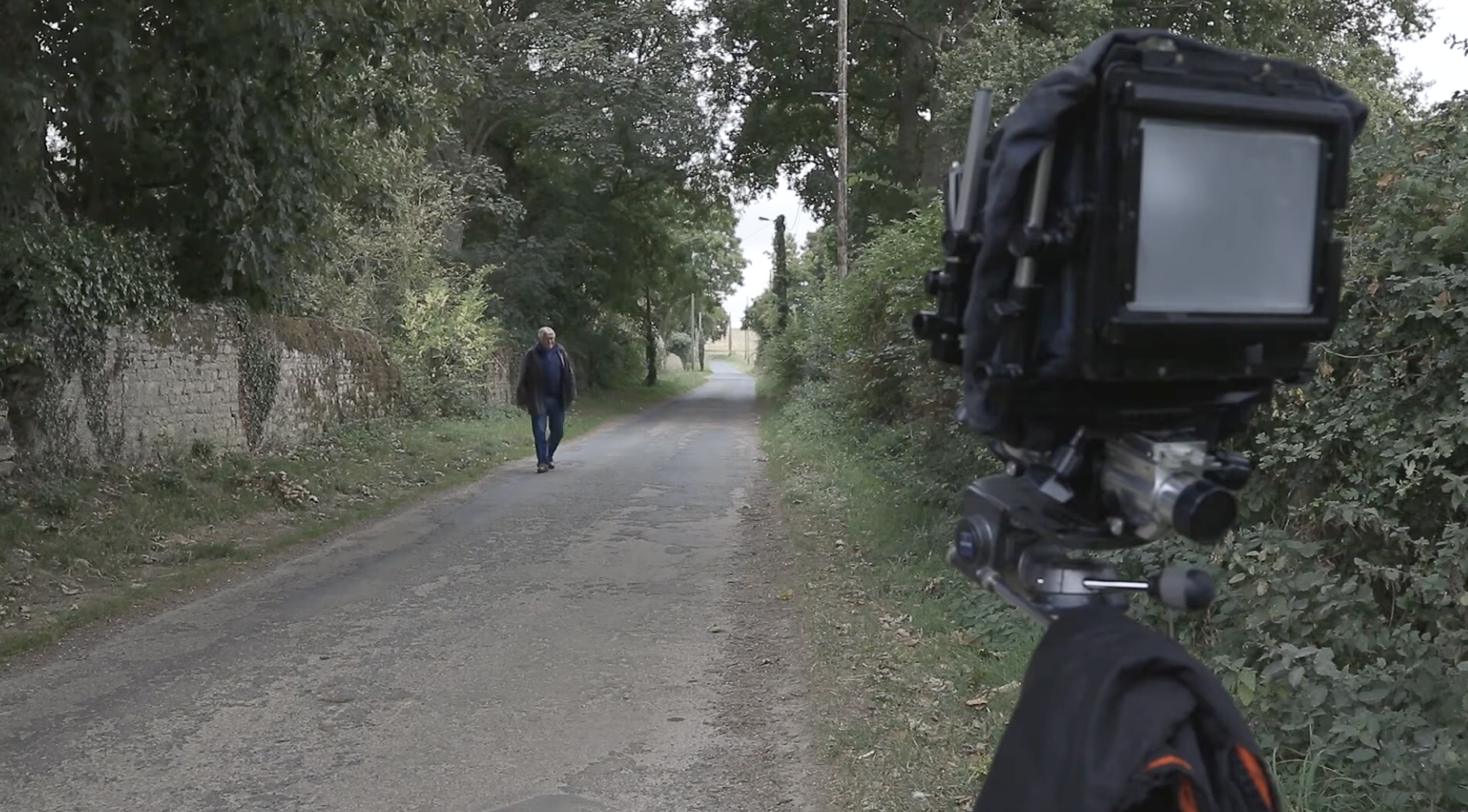
For nearly fifty years now — I began in 1976 — I have chosen to devote myself exclusively to photography. Very early on I turned to a large-format view camera, progressing from 4 × 5 inch to 5 x 7 inch, then 8 x 10 inch, and ultimately 11 × 14 inch formats, which gave me the freedom to build a photography entirely my own.
My first photograph dates from 1976: a kelp frond. Its beauty, its matter, its form and its light let me speak to the relationship with time that gives shape to the human condition. The dialogue between the ephemeral (time) and the unreal (the timeless) revealed itself with startling clarity. Another revelation shaped my work deeply: during a three-month stay in Iceland in 1982, I came to see the landscape as the inverted mirror of who I was. The mystical light that floods and illuminates that place overwhelmed me.
That quest has followed me my whole life. I came to understand that appearance transfigures the visible — the extraordinary emerging from the ordinary. The sublime is nothing more than the unheard-of within the real. We remain within the known, yet unsettled by it. The fantastic only interests me when it stays believable. The shift happens naturally, without artifice. Mystery takes hold, and from an ordinary sight we step into another dimension altogether. One might call it spiritual — not in a religious sense, but simply as an inner journey. What makes this process wonderful is that it renews itself endlessly, for anyone open to receiving it.
I advocate a kind of personal surrender, a path toward simplicity, toward nothing. From that state, every possibility of life becomes perceptible. Think of a Chinese painter from a thousand years ago, returning each day, in every season, to stand before the same landscape. It goes on like this until, one day, he is ready. He paints in a single flash — but with his back turned. An intimate knowledge of the cycle of things carries him to act without restraint, without effect, without pretension. The breath of life accompanies him and promises him the precision to render the whole of his vision, exactly as it is.
All of this demands a great deal of energy, self-denial, doubt, and groping through one's own darkness — but it enriches you, nourishes you, and lets you become truly yourself.
For me, an artistic life is an initiation into oneself, into others, into life itself.
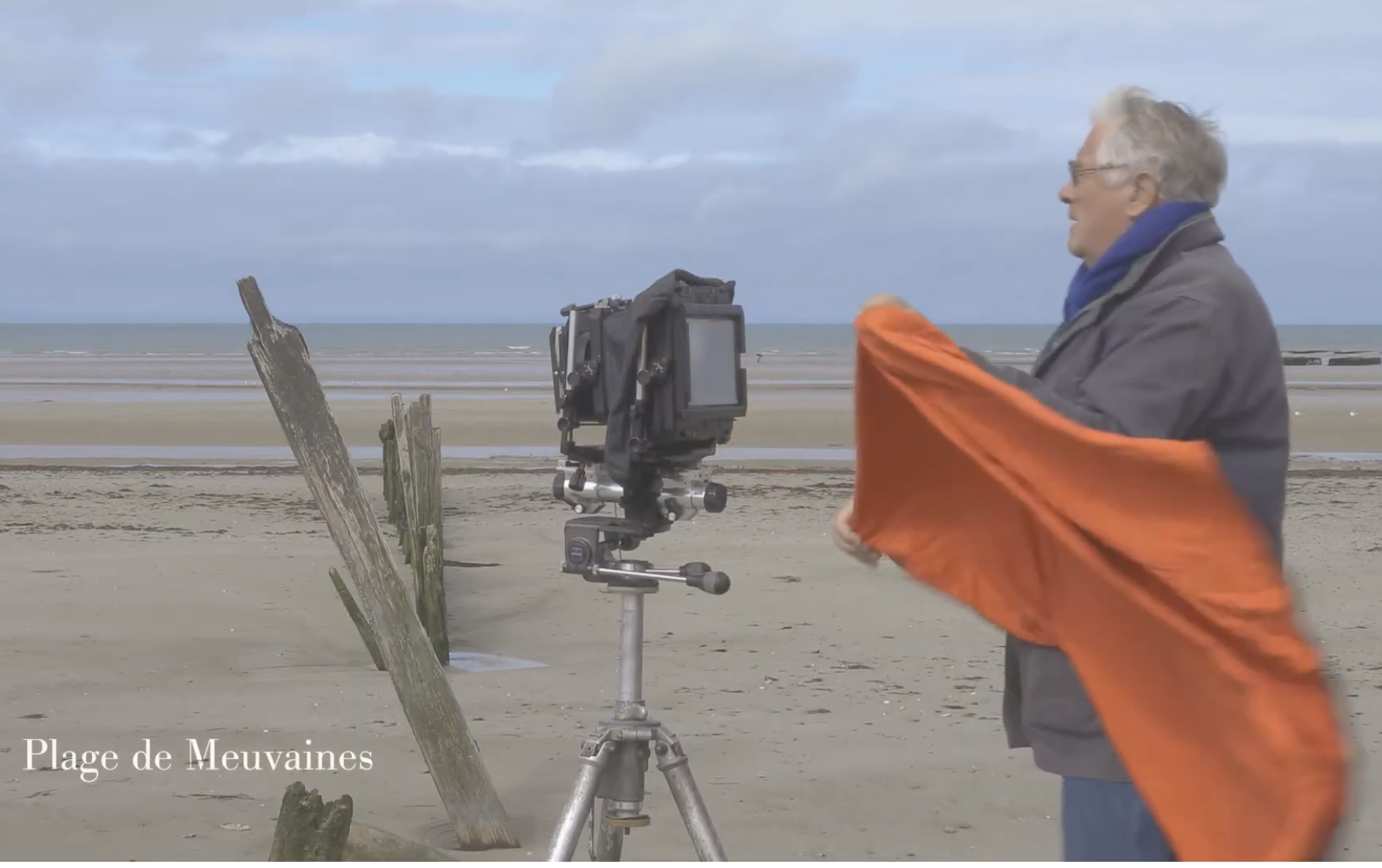
It matters to pair technique with vision — without technique, vision grows poor. I have always chosen to work across several view-camera formats: 4 × 5 inches, 5 × 7 inches, 8 × 10 inches, 11 × 14 inches.
The view camera fulfils its role: it accompanies the photographer's inner journey — not so much dictating how to photograph, but what must be photographed. Seeing the image upside down on the ground glass is, in truth, a reflection of the photographer's inner vision. For me, it is essential to lose nothing. To distort that vision is a fault. It calls for deep concentration. Photographing motion within stillness is a challenge — but movement, in truth, is itself motionless.
Long exposures let me "derealise" the world. I have no interest in mere observation. I try to banish the spirit of the already-seen, to search for what has not yet been seen. Only mystery remains. One sinks into the poetry of the strange; photography should question rather than assert — suggestion over demonstration. Vision must take precedence over illustration.
For me, the negative is the score; the print is the interpretation.
I tie my work to the listening of chamber music — string quartets, various sonatas. Rigour, essence, and demand: that is the source.
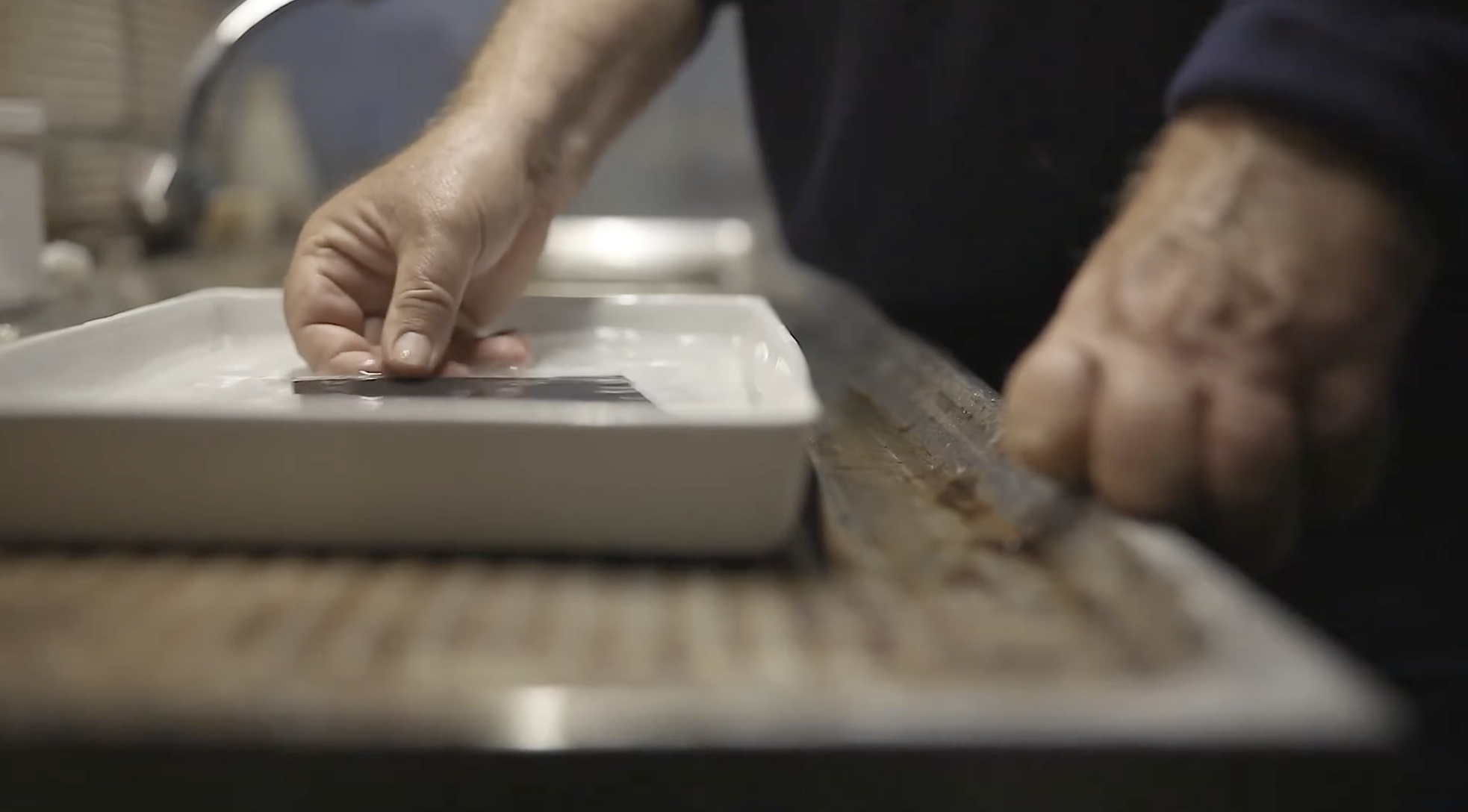
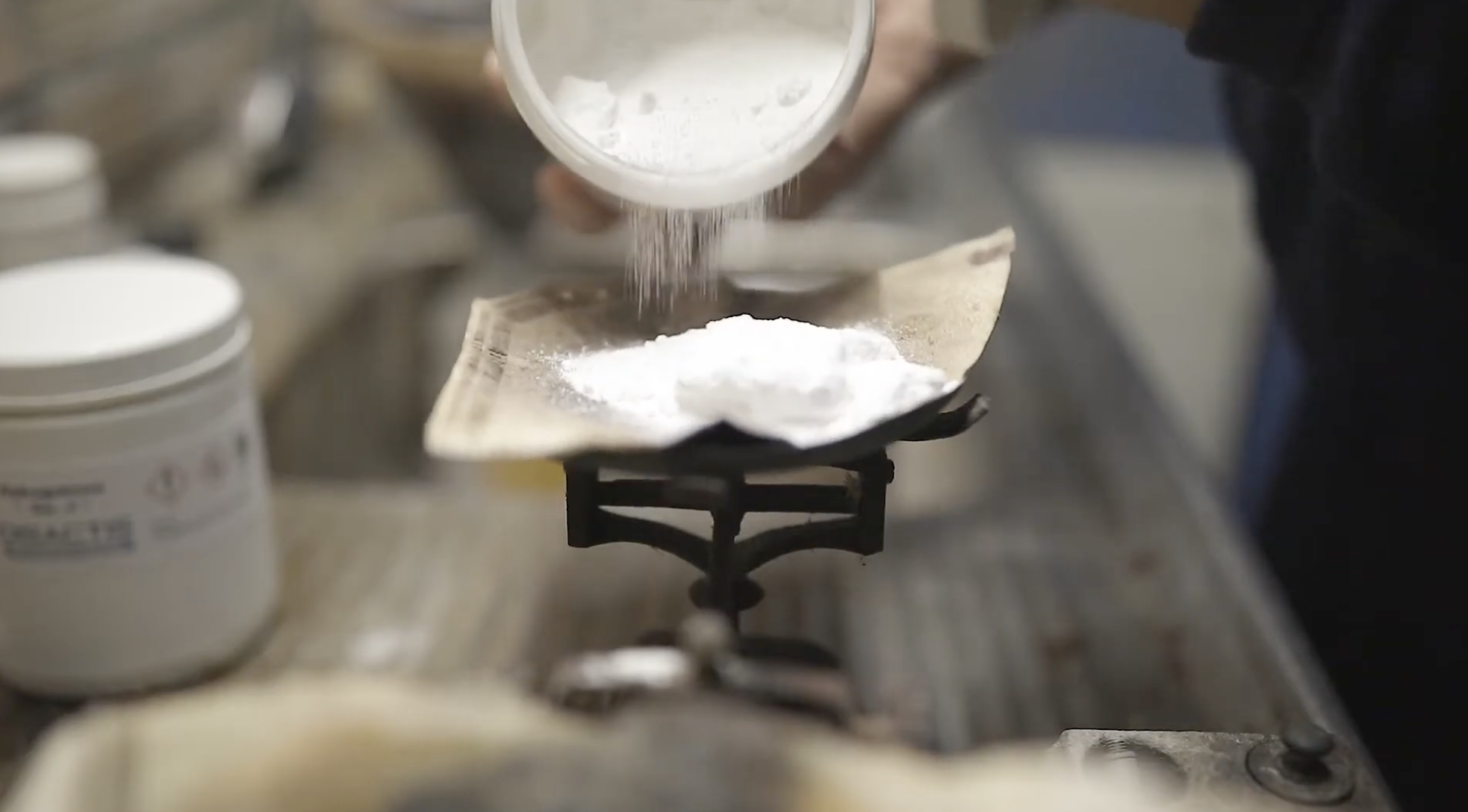
I make my own chemistry — one for the shadows, one for the light. I use handmade photographic papers to obtain the deepest blacks, the softest greys, and the purest whites.
I am not seeking beauty, but truth. Every photograph is the result of a long journey, carried by the hope of revealing its substance.
For years now, I have cultivated an intimate relationship with this photography — one that lets me become better, and above all, more alive.